General Pest Control · Tinley Park, IL
General Pest Control in Tinley Park, IL: Pantry Pests, Rodents and Ants
Centennial Park gives Tinley Park residents a familiar point of reference, but pest activity begins at the property itself: kitchens, basements, garages, and rooflines. Our team inspects those areas before recommending treatment, whether the home is near Crystal Cove or Avondale Meadows.
- Serving since 2016
- Illinois structural pest control operator licensing
- General liability insurance
- National Pest Management Association membership
- Serving since 2016
- Illinois structural pest control operator licensing
- General liability insurance
- National Pest Management Association membership
Snow can cover exterior signs such as disturbed soil or small openings, so we check foundations and likely entry points rather than relying on what is visible from the yard. Mild winters may also keep some pest activity going longer, making indoor monitoring useful even when temperatures dip. From the Tinley Park Convention Center area to homes near the Tinley Park Public Library, our crew plans service around the actual building and pest evidence. We explain what we find, what treatment fits, and which practical steps can reduce repeat activity. If you are seeing pest activity in Tinley Park, call (877) 729-2528. We can discuss the concern and arrange a service visit.
Who Handles Pest Control in Tinley Park, IL
Hot weather can increase ant and wasp activity around Tinley Park homes, so we check where insects enter before selecting a treatment. Spring rain may also add moisture to basements; tell us if seepage or damp areas appear during your inspection.
We schedule visits for properties across the city, including homes near the Tinley Park Historical Society Museum, and explain any preparation or access needed. Expect practical prevention advice and appointment updates. We are ready to review the problem with you.
What Pest Problems Need Attention in Tinley Park?
Fall cooling can bring mice and stink bugs indoors in Tinley Park; check door sweeps and the edges of stored boxes for signs before activity spreads. Flooding can also drive rodents into buildings, so our crew inspects basements, utility areas, and routes between attached garages and living space. After freeze-thaw cycles, look for new cracks near foundation penetrations; our inspection checks those openings and identifies which need exclusion.
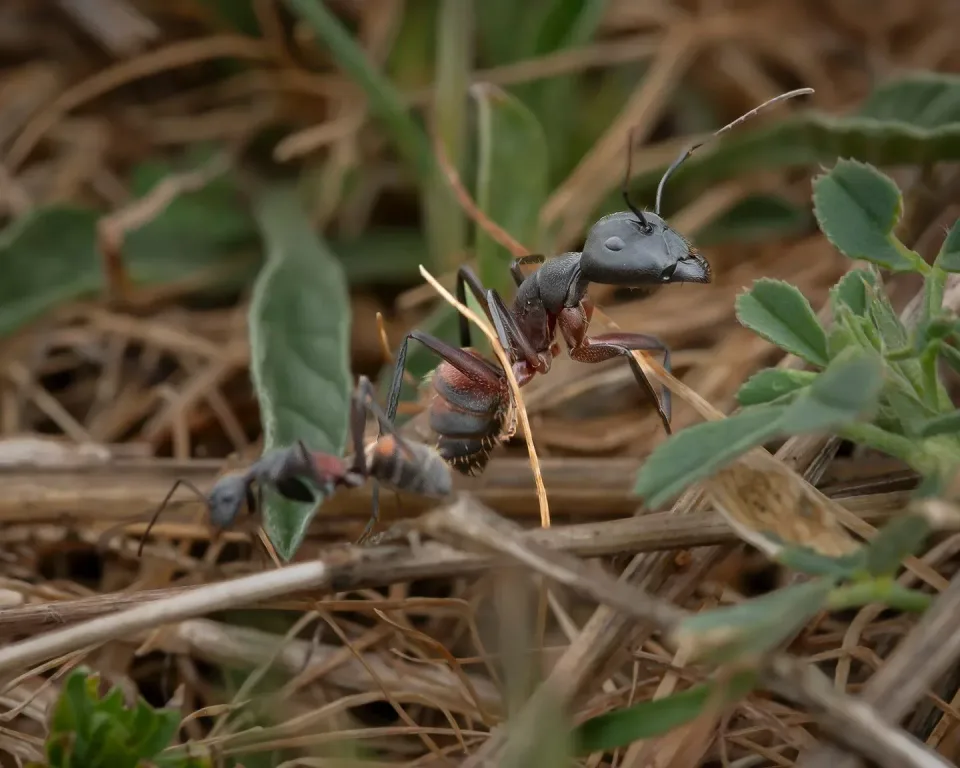
For an ant trail, we follow its route and check likely entry points before choosing treatment. We also identify pests before applying products, and review treatment thresholds and monitoring needs with you.
You can review service coverage for 60477 and 60487. Our general pest visits address the evidence found at the property, rather than treating every room by default; contact us when activity persists or you need an inspection.
How Tinley Park Seasons Shape Pest Visits
Tinley Park’s four distinct seasons call for inspections that reflect the time of year and the evidence inside each building. Near the Tinley Park Public Library, our team still bases a treatment plan on the property not a calendar alone.
Lake Michigan humidity can prolong damp conditions, so we check moisture-prone areas when a customer reports recurring pest activity. Mosquito and tick control also depends on the outdoor conditions and the areas people use; we discuss those site conditions before recommending a plan.
Our crew follows the Federal Insecticide, Fungicide, and Rodenticide Act, or FIFRA, which governs pesticide registration and use. That means products must be applied according to their lawful directions.
Tell us what you have noticed around the property, and we will explain the appropriate inspection and next step.
Tinley Park Neighborhoods We Serve
In Crystal Cove, our general pest inspection can focus on kitchens, basements, and garage connections where residents notice activity. In Avondale Meadows, we check reported pest locations and nearby entry points before recommending a targeted plan.
For Barrett Brothers properties, our team can inspect the affected rooms and explain which findings support treatment. Town Pointe customers can expect us to assess the building and access needs before setting the work area.
In Millenium Lakes, we discuss the reported issue and review practical monitoring or prevention steps with the property owner. In Highlands, our visit likewise starts with identifying the pest and locating evidence, so the treatment plan matches the concern.
Our general pest control service comparison guide helps explain why inspection scope and the property’s access can affect which plan is appropriate. For a straightforward explanation of how general pest control works, we walk through the inspection, identification, treatment decision, and follow-up recommendation. Contact our team to discuss a Tinley Park visit.
Why us
Local General Pest Control in Tinley Park, IL
Get a clear plan shaped around your property and the pest activity you report.
Scope Agreed First
Technicians inspect affected areas, explain what they find, and discuss treatment options before work proceeds, so you can understand the proposed scope and make an informed decision.
Clear Appointment Details
The team coordinates appointments across Illinois and confirms access details ahead of the visit. That helps technicians reach the areas that matter, including basements, garages, and utility spaces.
Warning signs
Early Signs to Watch For
Silverfish in Damp Areas
Silverfish near sinks or other damp spots can be an early sign of activity. Note where and when you see them, and check nearby storage areas for additional signs before the problem spreads.
Flea Bites on Pets
Flea bites or frequent scratching on a pet can signal activity indoors. Look for signs around pet bedding and resting areas, and share those locations with a technician when discussing service.
Carpenter Ant Frass
Fine wood-colored debris near a window frame or trim can indicate carpenter ant activity. Check for damp or damaged wood nearby and note the exact location rather than disturbing the area.
Through the year
General Pest Control Throughout the Year
Spring
Severe spring thunderstorms can leave damp areas around homes and businesses, while changing outdoor conditions can shift pest activity. A service visit can assess reported activity and help identify which areas need attention.
Summer
Warm, humid conditions can bring more visible pest activity around buildings and entry points. General pest service gives you a chance to discuss new sightings, review affected areas, and understand suitable treatment options.
Fall
As outdoor conditions change, pests may seek shelter in buildings, including basements and garages. An inspection can help address activity you have noticed and clarify what treatment options fit the affected spaces.
Winter
Snowy storms and freeze-thaw cycles can affect access around a property, while indoor pest activity may continue. Arrange service to review reported signs and plan access to the areas a technician needs to inspect.
Common situations
From Concern to Clear Options
Spiders in the Basement
Spider webs gather in basement corners, leaving the homeowner unsure whether activity is limited to one area or appears elsewhere.
A technician inspects the affected areas, explains the findings, and discusses treatment options so the homeowner can understand the proposed scope.
Before you hire
Questions to Ask Before Hiring
Does the operator hold applicable Illinois licensing?
Illinois structural pest control operator licensing is relevant to pest service work. Asking about applicable licensing helps you understand who will perform the work and whether their credentials fit the service being discussed.
What does the proposed service include?
Ask which areas will be inspected and what treatment options are included in the agreed scope. Clear details help you compare proposals and avoid assumptions about work that has not been discussed.
Are there contract terms to review?
Ask about any written terms, follow-up conditions, and responsibilities before agreeing to service. Understanding those details helps you know what the company is committing to and what you are expected to do.
Our process
How it works
Tell us about the job
Call or send the form with what happened and where. We ask the questions that matter for the visit.
Get a clear plan
We explain the work and the price before anything starts, so there are no surprises.
Job done and checked
We finish the work, check it, and walk you through what was done.
Ready to get started?
Call to talk through your job in Tinley Park.
10+
Years serving Tinley Park
228
Areas served
General Pest Control FAQs in Tinley Park, IL
Straight answers for customers in Tinley Park on pricing, delivery, and scheduling.
What should I do about ants crossing my kitchen counter?
In Tinley Park, our team traces the route and inspects the entry point before recommending treatment; call if the trail returns.
Can you inspect a Tinley Park home for mice?
Yes. We check the rooms where you have seen droppings or heard activity, then inspect accessible utility areas and likely entry points. Clear access to the basement and utility rooms before the visit, and secure pets as needed.
Do you serve both Tinley Park ZIP codes?
Our Tinley Park service coverage includes 60477 and 60487. Tell us the property address and the pest concern so we can discuss access and scheduling.
ZIP Codes We Serve in Tinley Park, IL
General Pest Control covers every ZIP code in Tinley Park, IL.
Meet Your Local Experts

Daniel Mercer Lead Expert
Illinois Pest Solutions
"Practical Pest Control Across Illinois"
I started in pest control in Chicago, where I learned how older brick buildings, shared walls, and basement entry points can complicate pest problems. I built this company to give Illinois homeowners and businesses clear treatment plans shaped by local building conditions and seasonal pest activity.
Get a General Pest Control Quote in Tinley Park, IL
Share job details below or call our team directly. Phone: (877) 729-2528
Service Areas Within 30 Miles of Tinley Park
General Pest Control is also available in these nearby communities.